Connecting the prototype to the learning theory
The Wavefoil prototype held up against the learning science and interface research from the first rounds of source searching: what the theory supports, and where it pushes back.
- literature review
- learning
- Wavefoil
- process
So far the project has run on two tracks. On one I have been reading about how people learn, in the first round of source searching and in the look at training inside interfaces. On the other I have been building the Wavefoil prototype. This post puts the two side by side: what in the prototype has support in the theory, and where does the theory suggest I have got it wrong or left something out.
What the theory supports
| What I built | Theory | The connection |
|---|---|---|
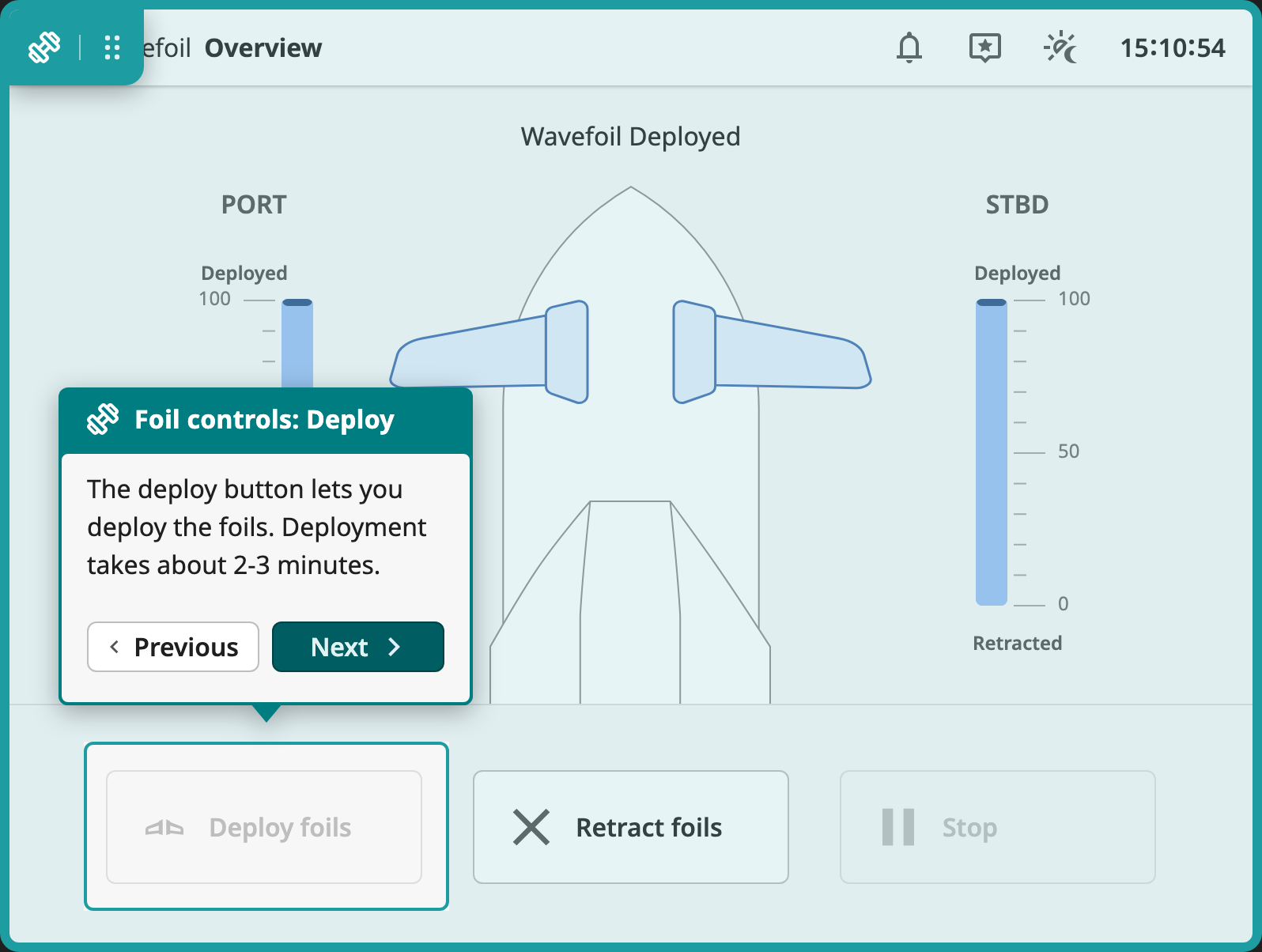 Guided chapters: one component at a time, with text right next to it | Sweller (1994) | The split-attention effect: related information shown apart has to be pieced together, which is extraneous load. |
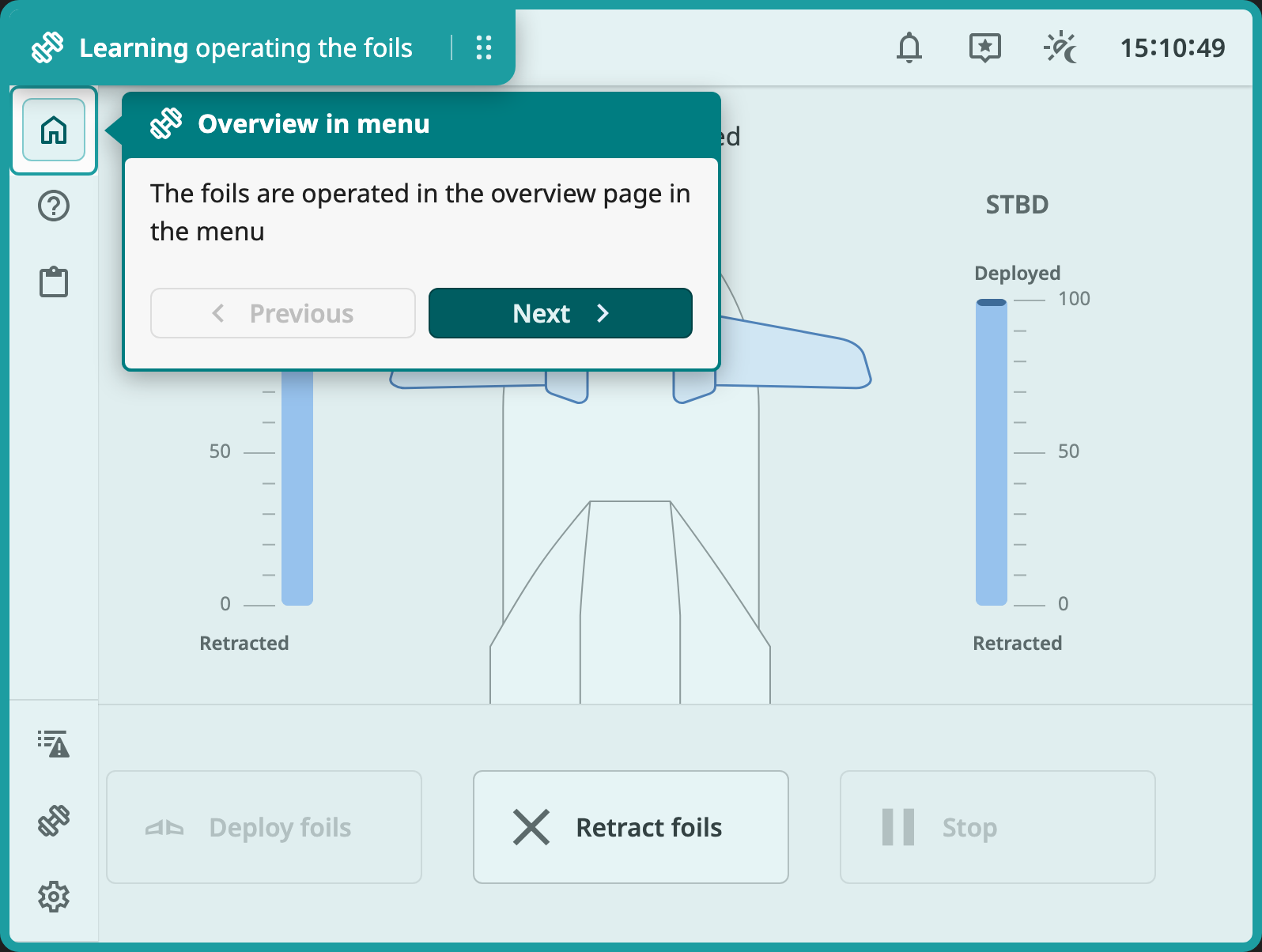 One step at a time. | DuolingoFigmaForsey et al. (2024)Liu & Sra (2026) | Progressive disclosure. Forsey and TaskLens both find the same split: beginners gain from it, experienced users feel boxed in. |
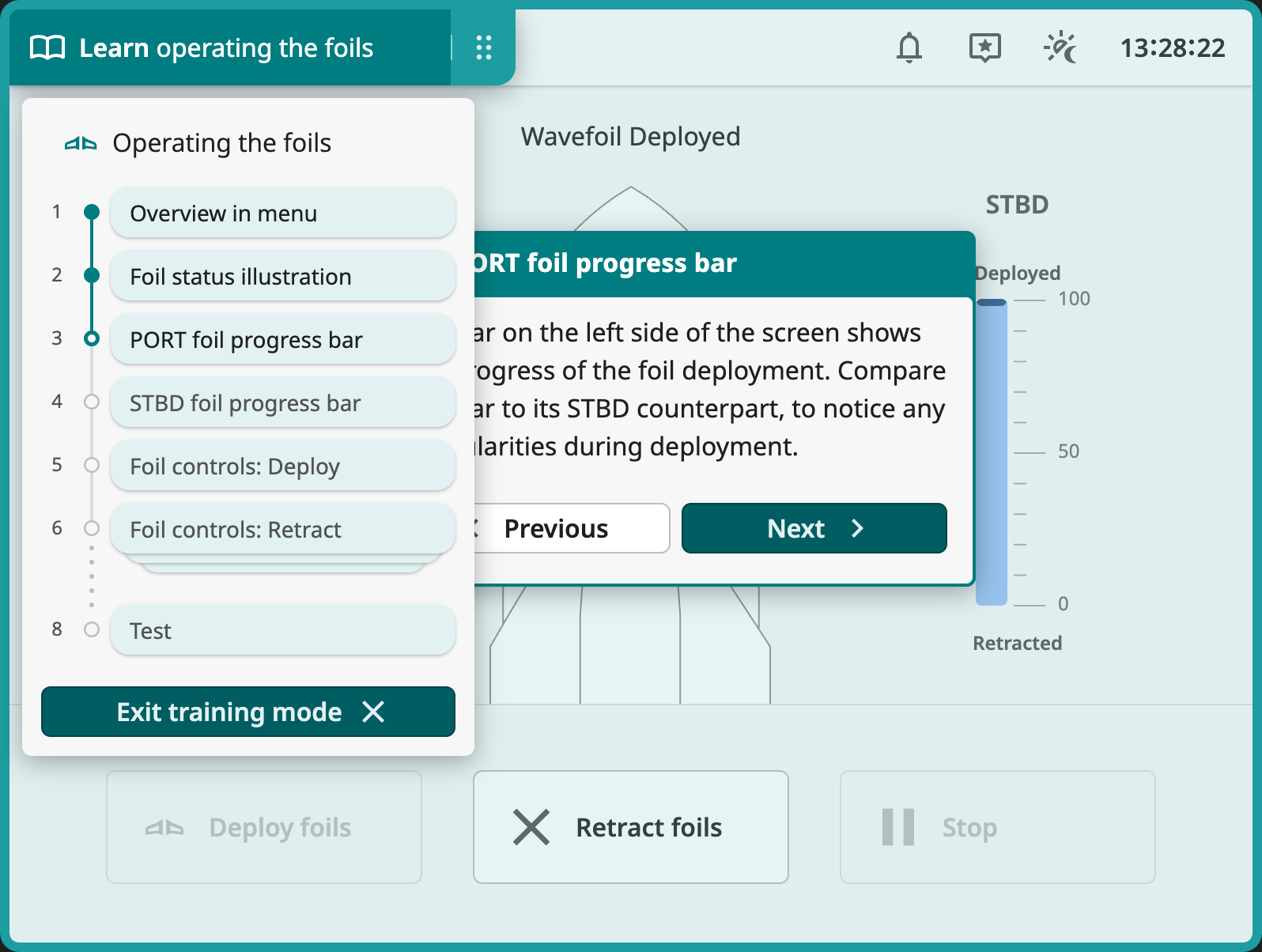 Navigation within the chapter. | Carroll & Rosson (1987)Liu & Sra (2026) | An easy way out means the ones who are already competent do not have to fight the training. |
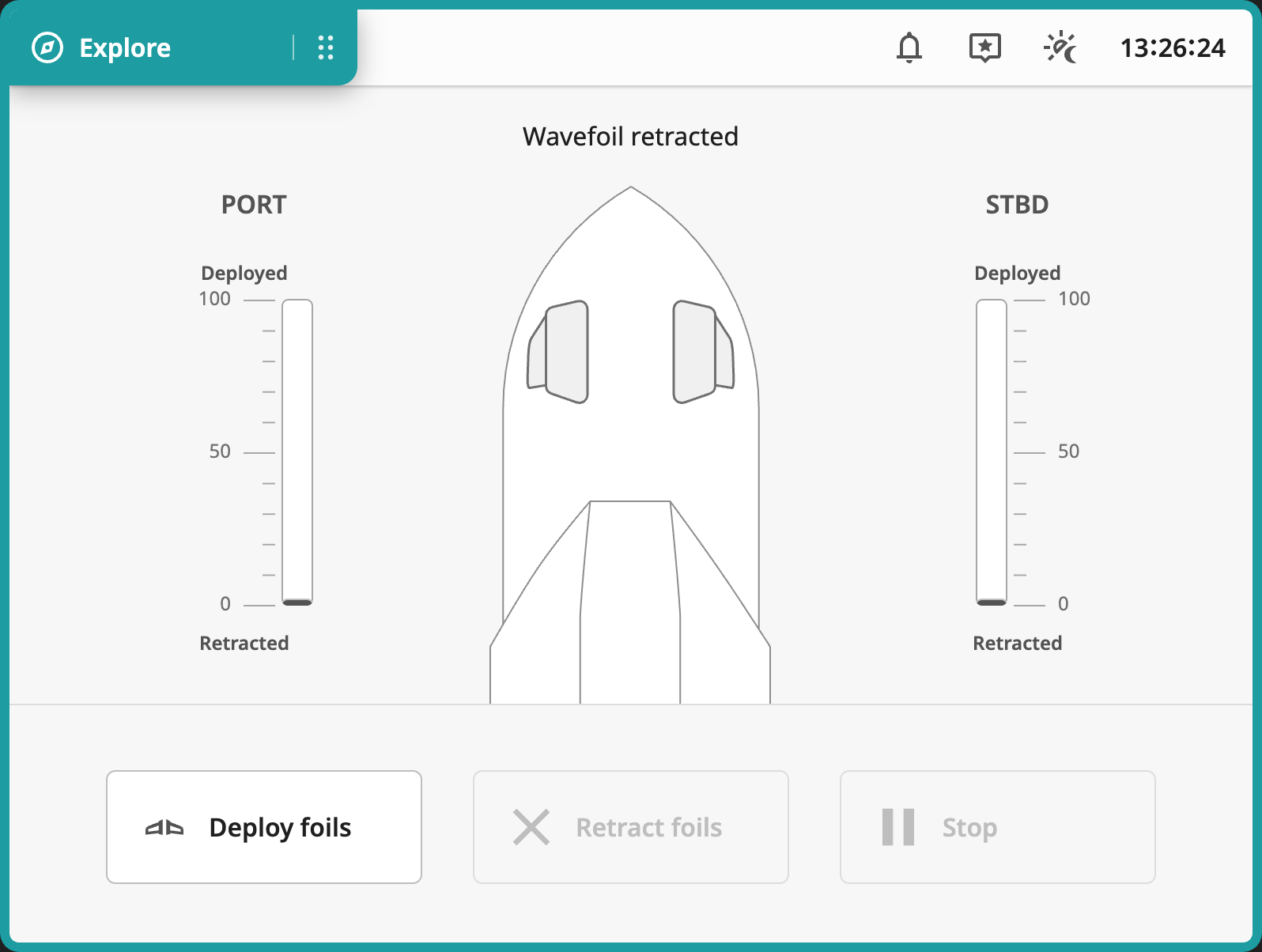 Explore mode | Stripe | A system with real consequences can be learned by trying things out, if the practice space is clearly separate. Crew are often afraid to make mistakes at first, and the person from Wavefoil said a big part of introducing the foils is to make them feel safe. |
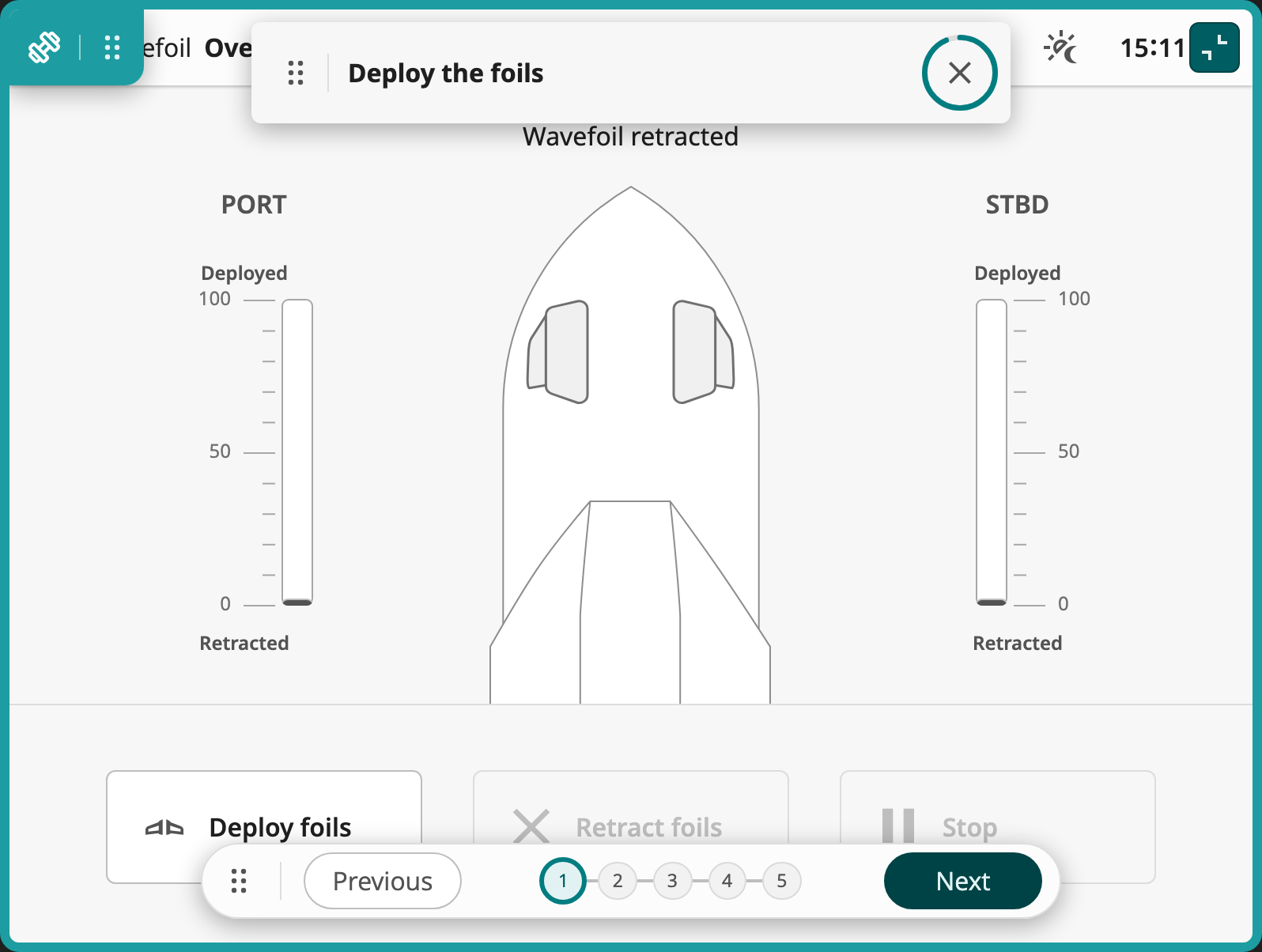 Testing at the end of each chapter. | Roediger & Karpicke (2006)Bjork & Bjork (2011) | The testing effect and the generation effect: Testing boosts retention, and retrieving an answer, or producing an action yourself, lasts longer than being shown it. |
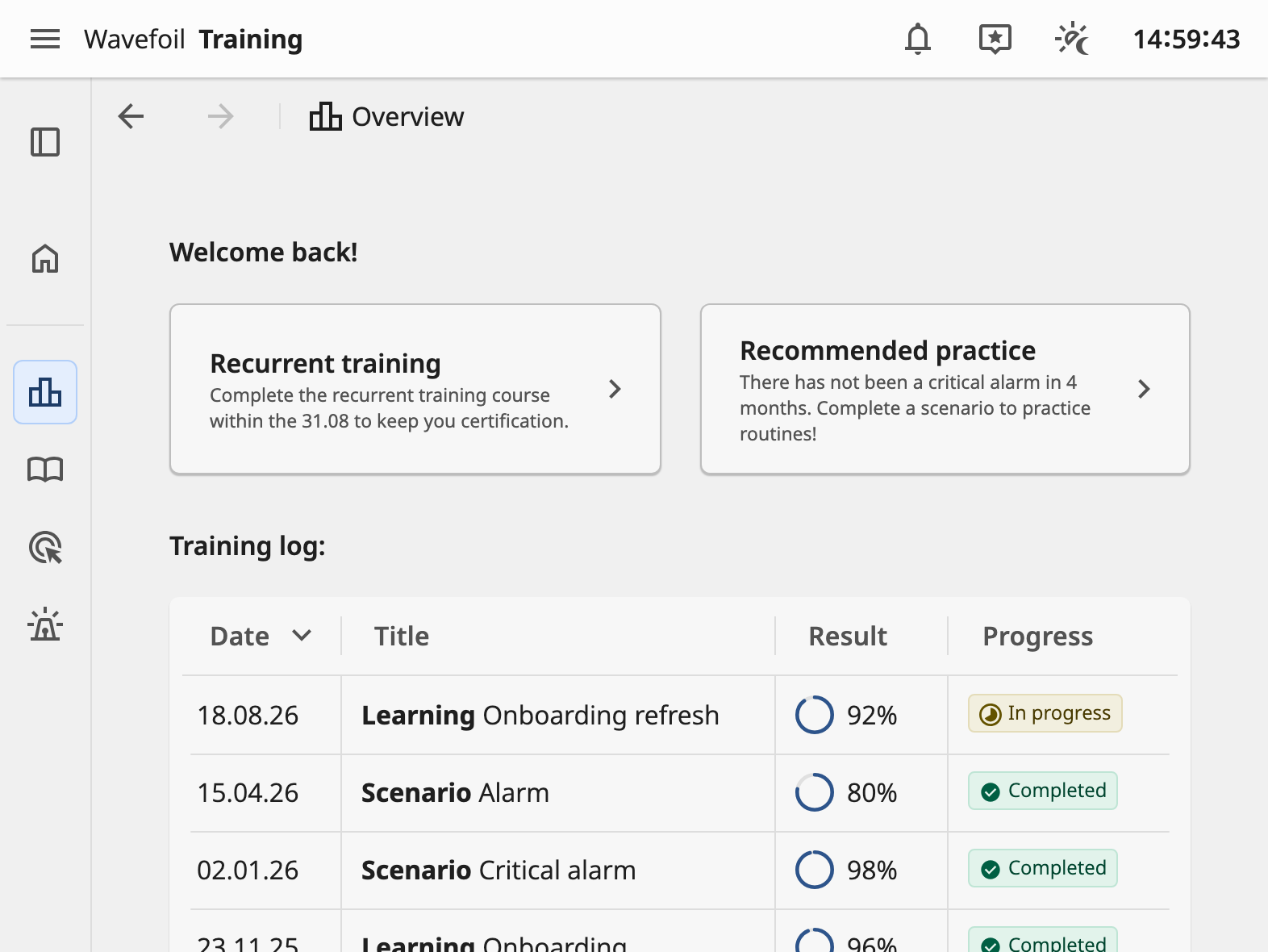 Personal recommendations on the Overview page. | Ebbinghaus (1885)Carpenter et al. (2012) | Supported by Ebbinghaus's spacing effect. The system nudge the user to practice based on the time since the last practice. Carpenter et al. find the right gap depends on how long the knowledge has to last. This is my reading. |
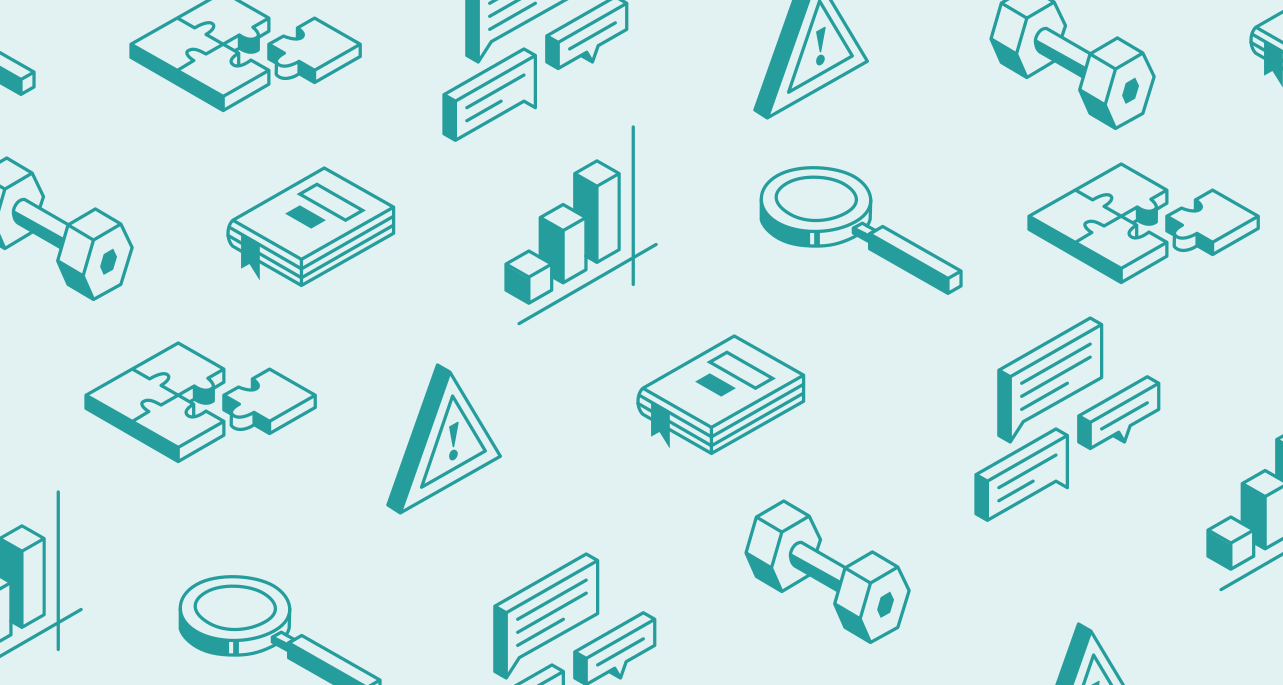 The teal identity and the illustrations | Vervaeke (2026)Figma | Salience and emotional tagging help learning stick, and Figma's green dev mode is an example of showing the user they are in a different mode. |
Where the theory pushes back
| The feature | What the theory says | The problem |
|---|---|---|
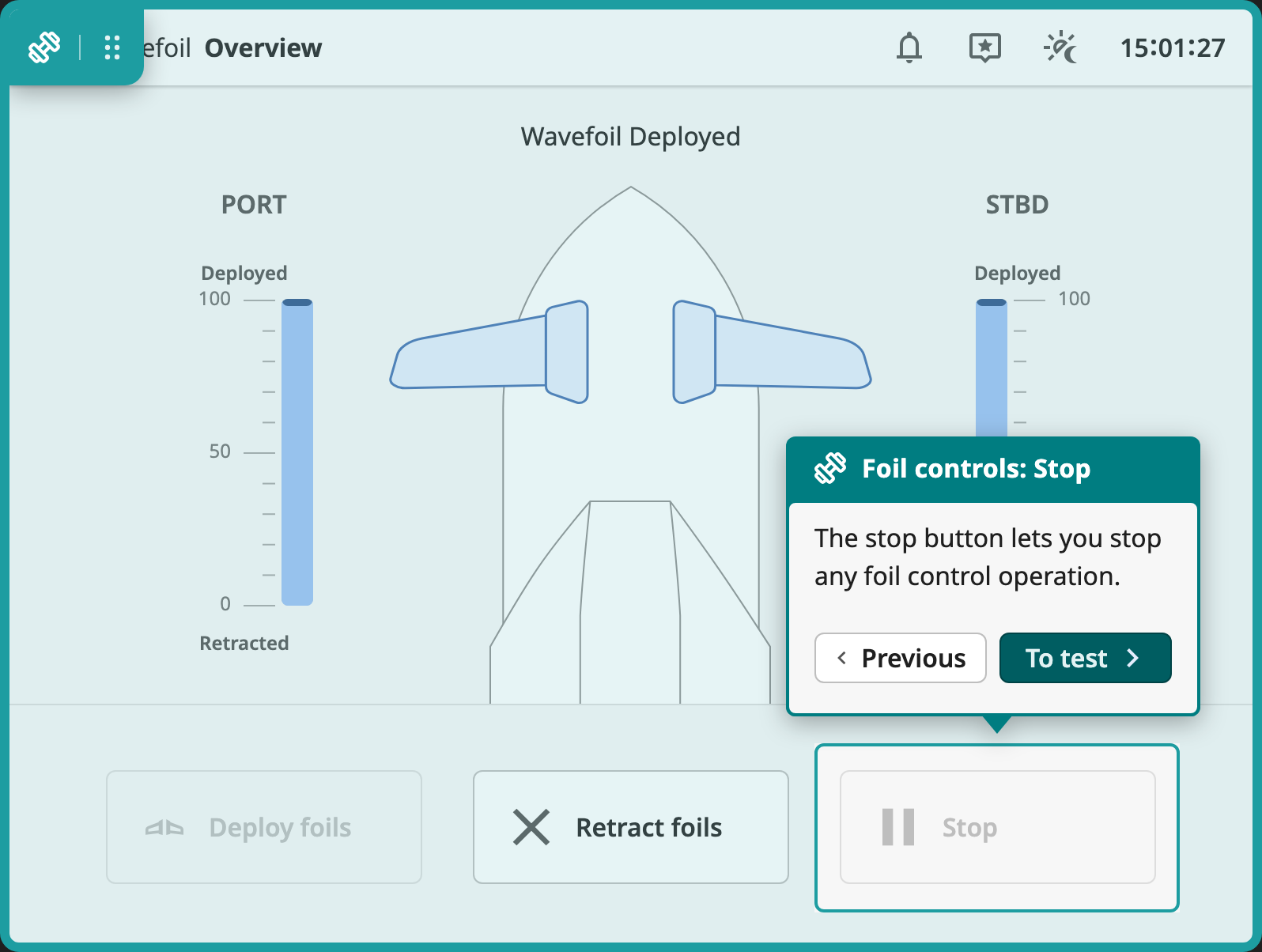 The test comes right after the walkthrough | Research show that restudying has a higher effect better after some time. Roediger & Karpicke (2006) | The value of the test shows up when it is repeated later. The prototype tests once, straight after the chapter. The recommended practice function helps nudge retesting, but the link could be stronger. |
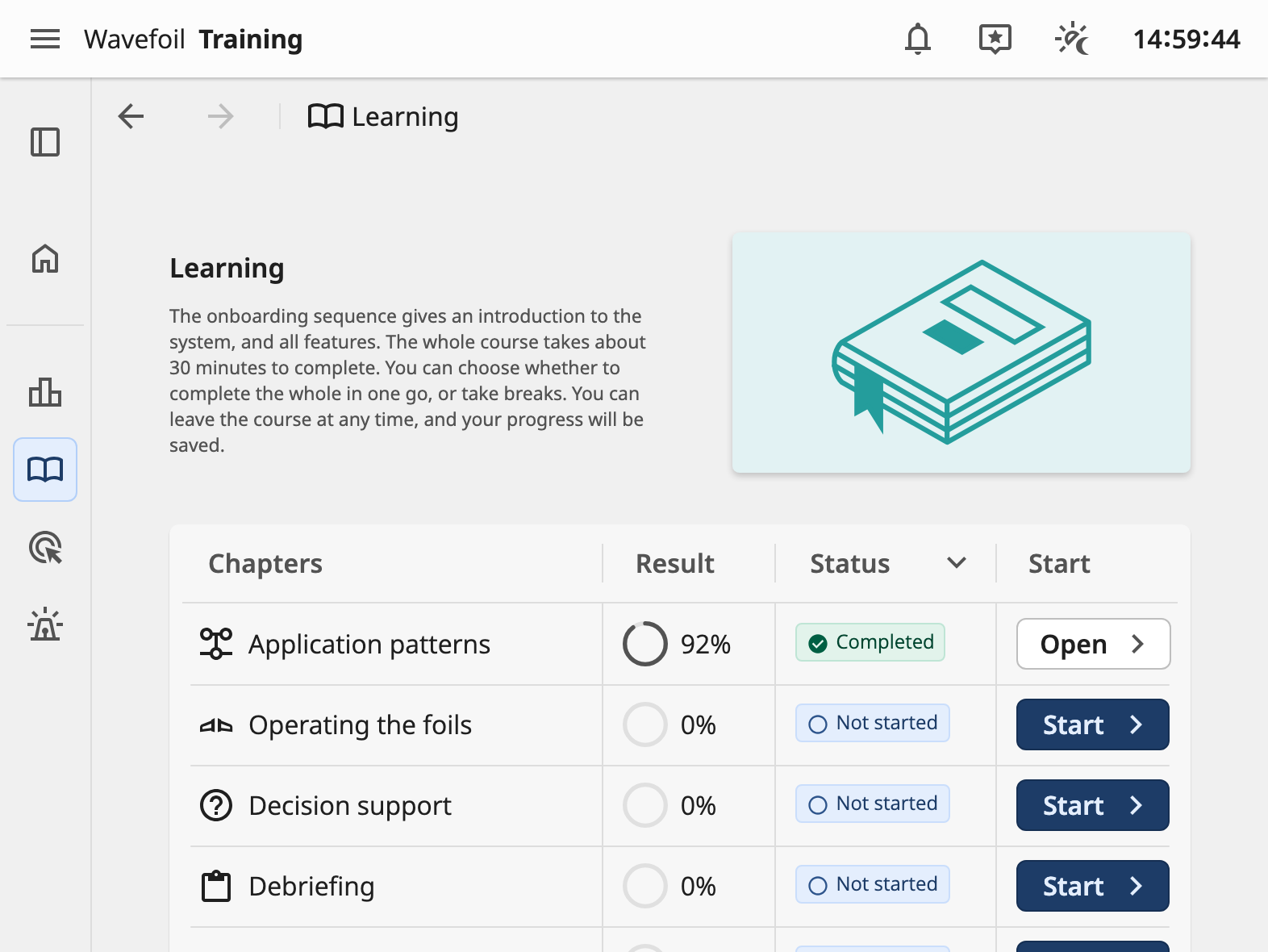 Everything is taught and tested one chapter at a time | Mixing topics promotes better retention. Bjork & Bjork (2011) | The tests are connected to the chapters. A review that mixes questions from several chapters would be the interleaved, harder and more effective version. |
The whole idea of the training log | The amount of practice is a weak predictor of expert performance. Macnamara & Maitra (2019) | The log shows a result for each entry and not hours, which is good. But the status is about finishing, and the Recurrent training card asks for the course to be completed before a date. That rewards completing, when the research says the amount of practice is not the whole story. |
A gap in the sources
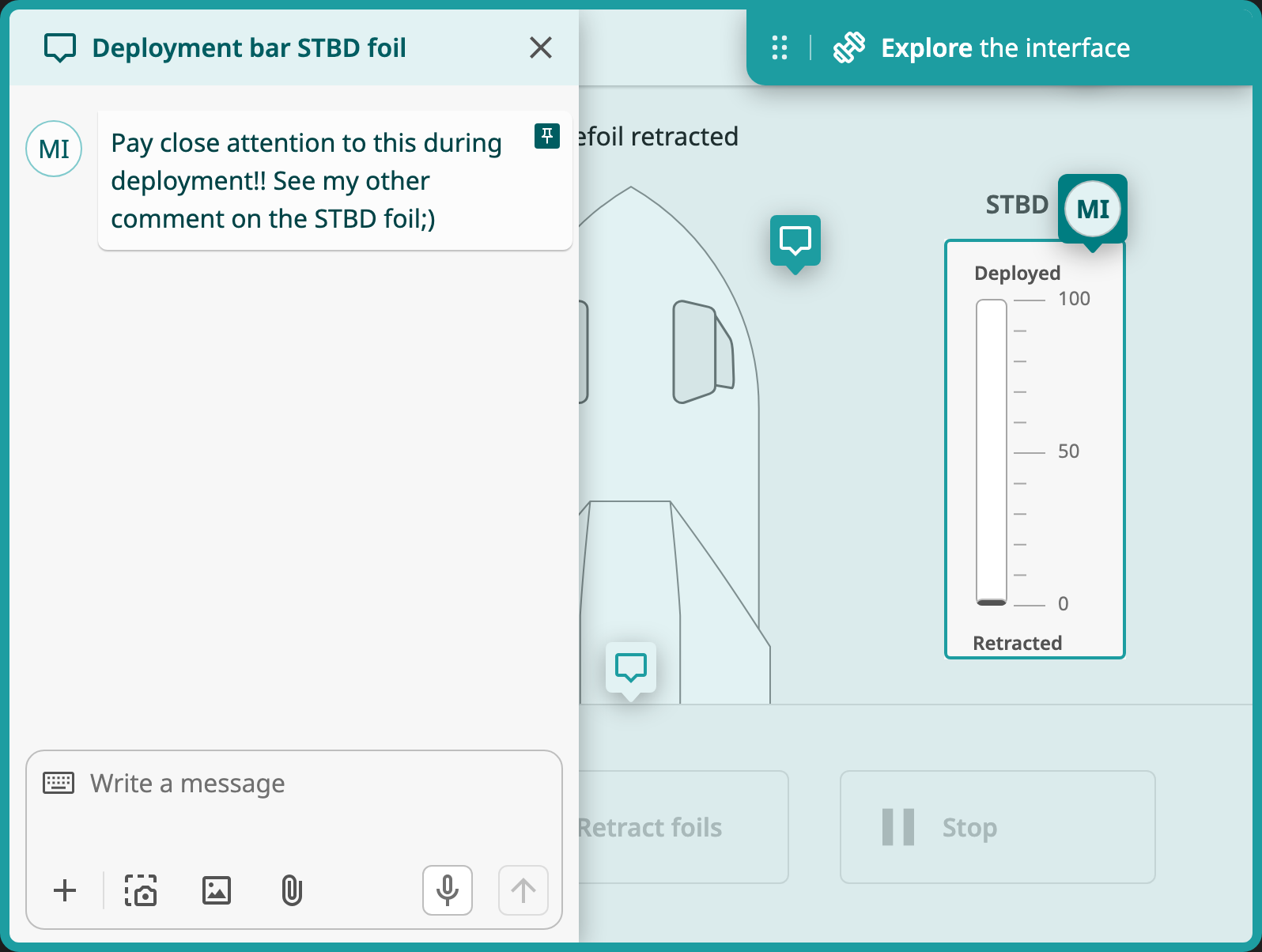 A comment thread in Explore mode.
The comments that captains can leave for each other have nothing behind them in what I have collected. Vervaeke touches on emotion and context, but nothing I have read covers learning from peers. If comments stay a central part of the concept, I will need to look for literature on social learning.
What this suggests trying next
Reading the two tracks together points at a few areas of improvement: testing and comments. Repeating the test later and mixing questions from different chapters could improve the effect of the testing. To further develop the comment function, it could be beneficial to look into research on the topic, and learn from similar concepts.