Process
Working notes, in order. Sketches, dead ends and decisions as they happen, rather than a tidy account written afterwards.
 research
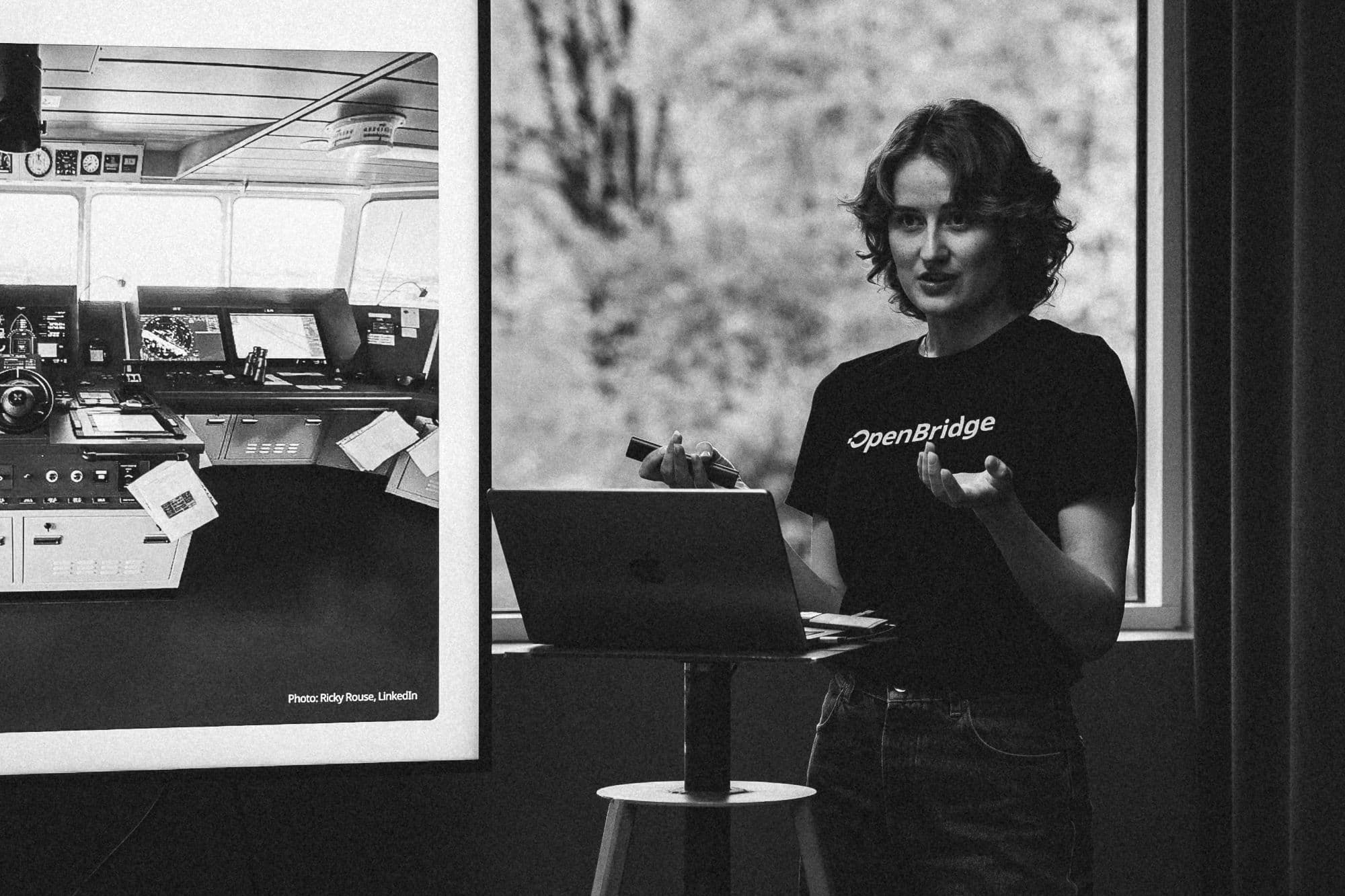
Feedback from the OpenBridge seminar
Three 20-minute workshop sessions at the OpenBridge seminar on 22. October 2026, grouped by theme: comments need moderation, and training on the bridge may work better as help, with the real training happening before crew board.
- research
Connecting the prototype to the learning theory
The Wavefoil prototype held up against the learning science and interface research from the first rounds of source searching: what the theory supports, and where it pushes back.
 prototype
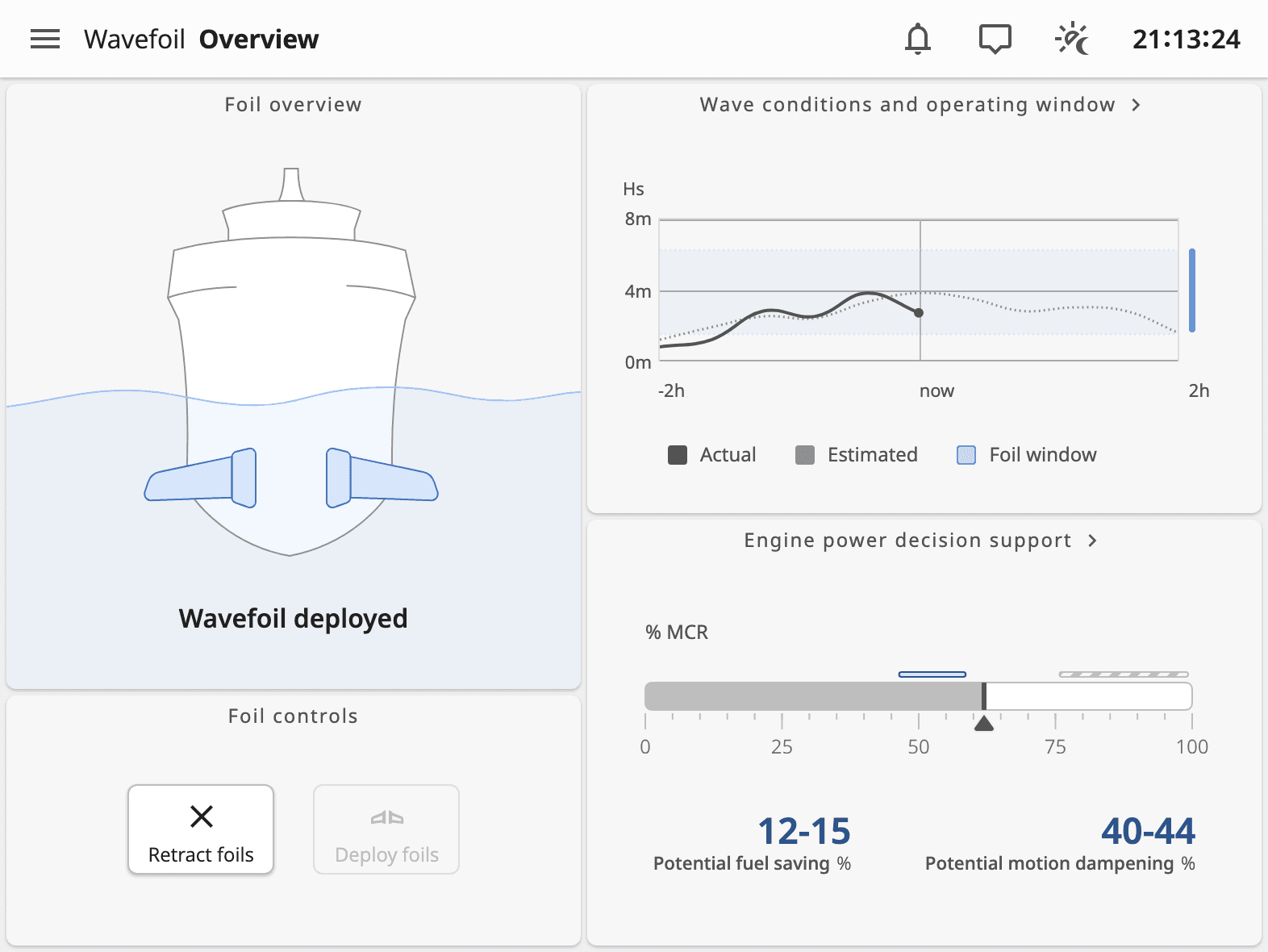
Introducing training in Wavefoil interface: first iterations
The first iterations of the Wavefoil prototype: the interface, the training menu, an explore mode, and a second round with decision support, debriefing and comment states.
 research
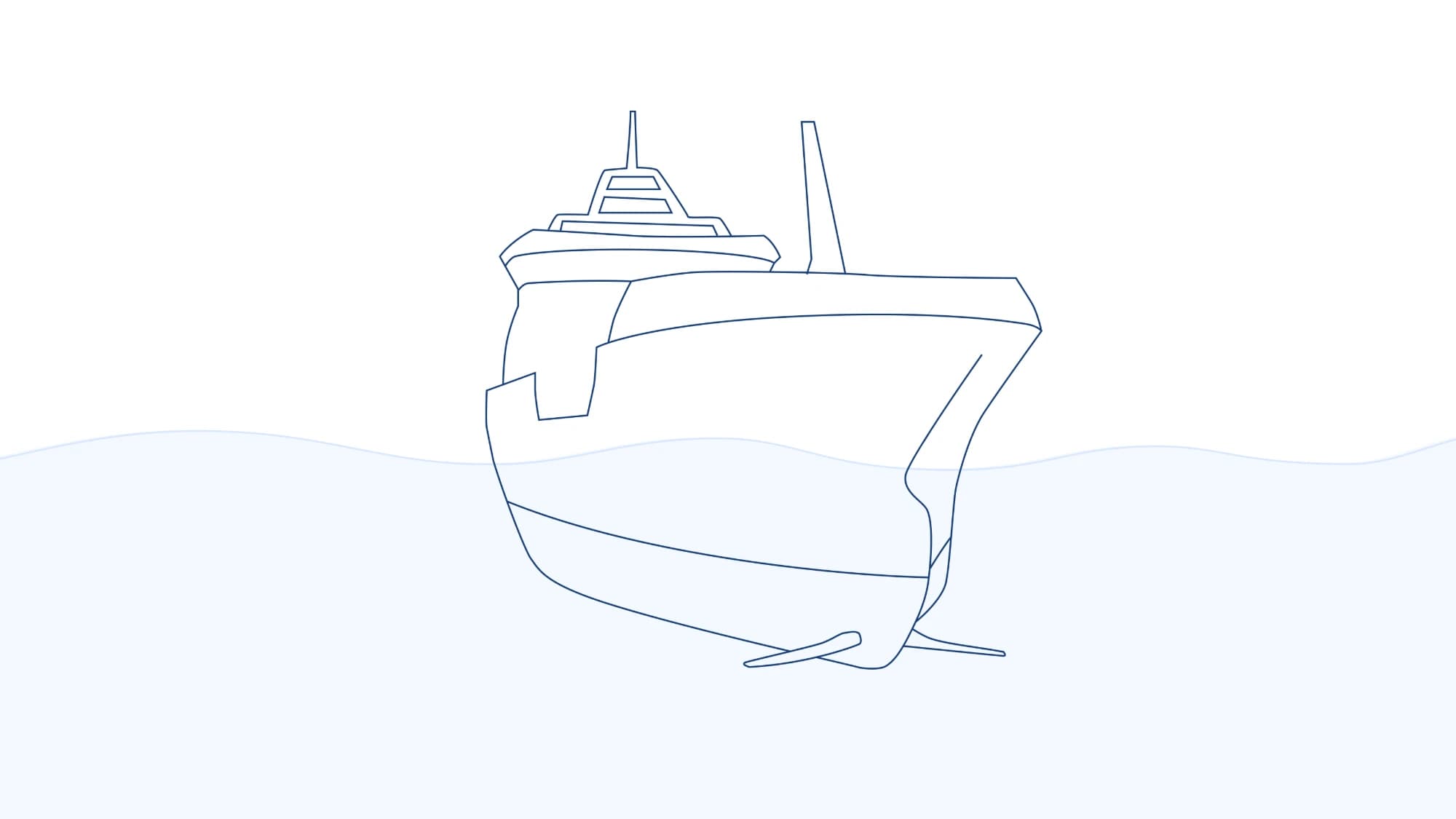
New case: Wavefoil
Interviews with one employee at Wavefoil and two captains on boats with the foils installed.
 prototype
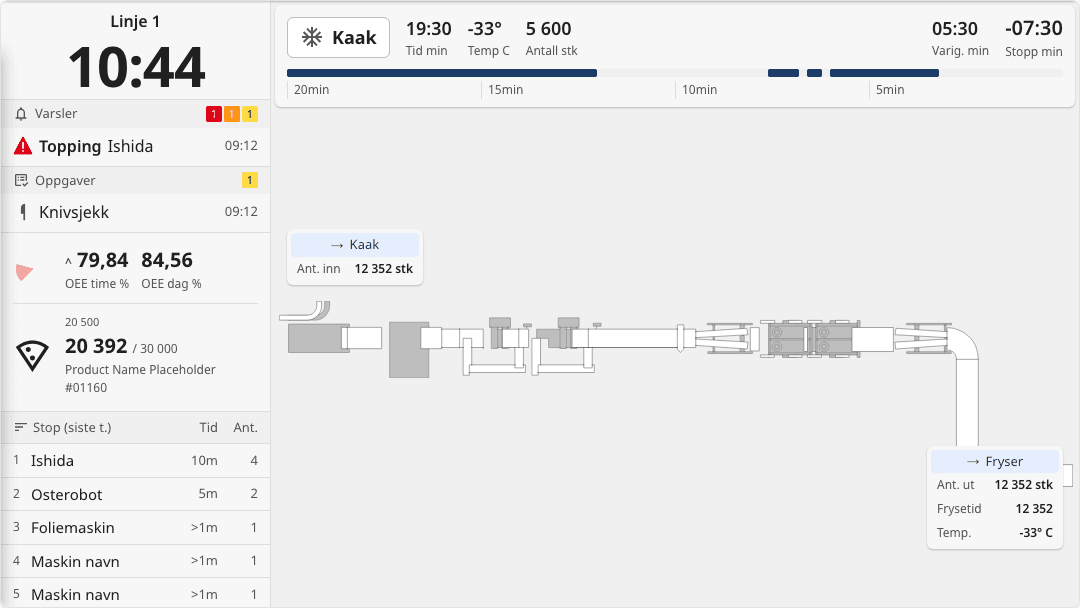
First prototyping Experiments
I have experimented with Claude Code and Figma MCP to find a quick and precise way to make clickable prototypes in code from my design files.
- research
The beginning of a framework for training interfaces
A first structure for in-system learning, with seven questions to answer, and a closer look at the types of training and when and where it can happen.
 sketching
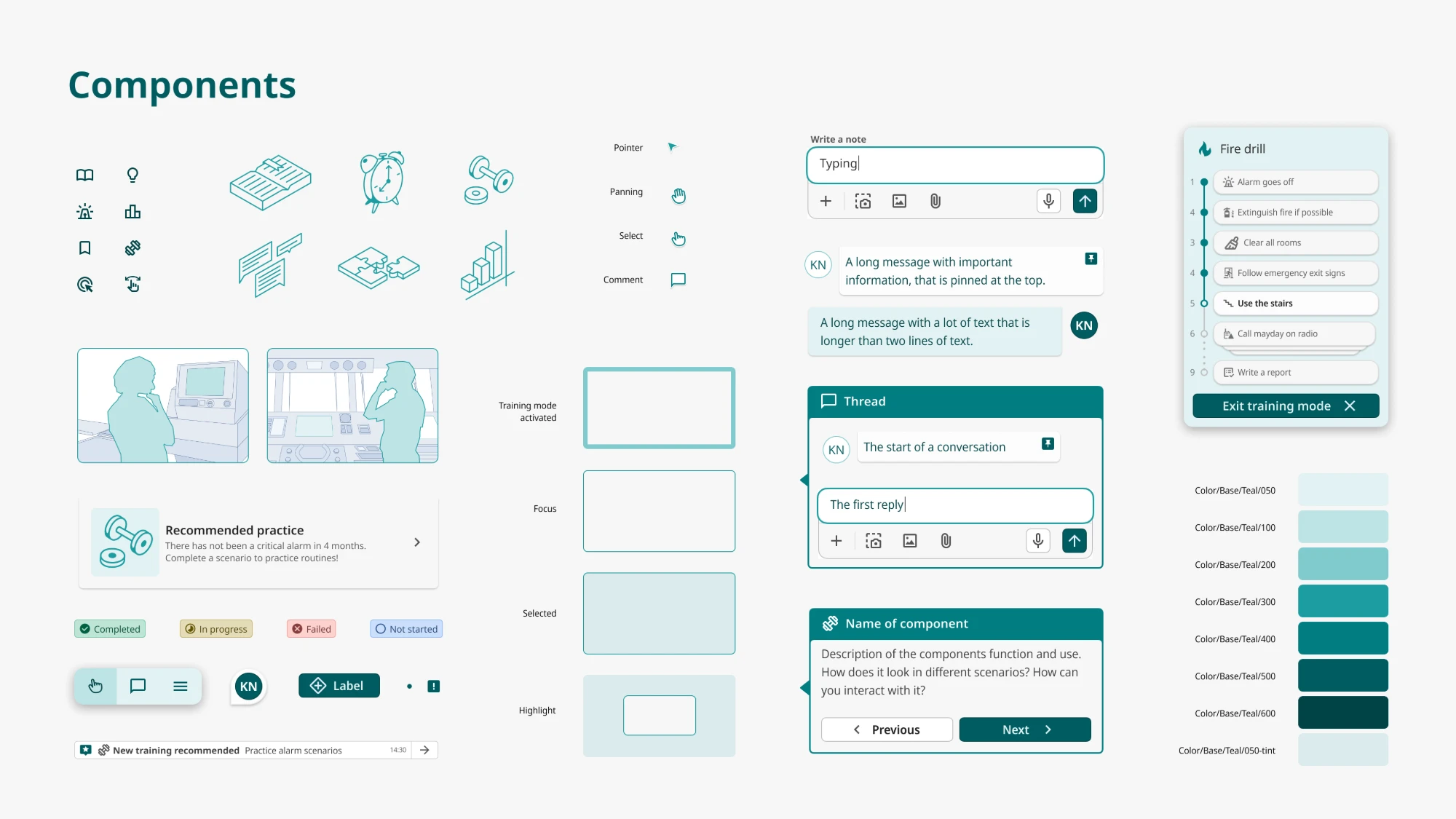
Finding a visual language for training
I spent the first three weeks of the project exploring how to visually communicate the training environment.
- research
Training in the interface: how others have done it before
A short journey through four decades of research on building training into interfaces, from Carroll & Rosson's paradox in 1987 to TaskLens this year, with situation awareness as the measure of what the training is actually meant to achieve.
 research
Fundamental learning principles: the first round of source searching
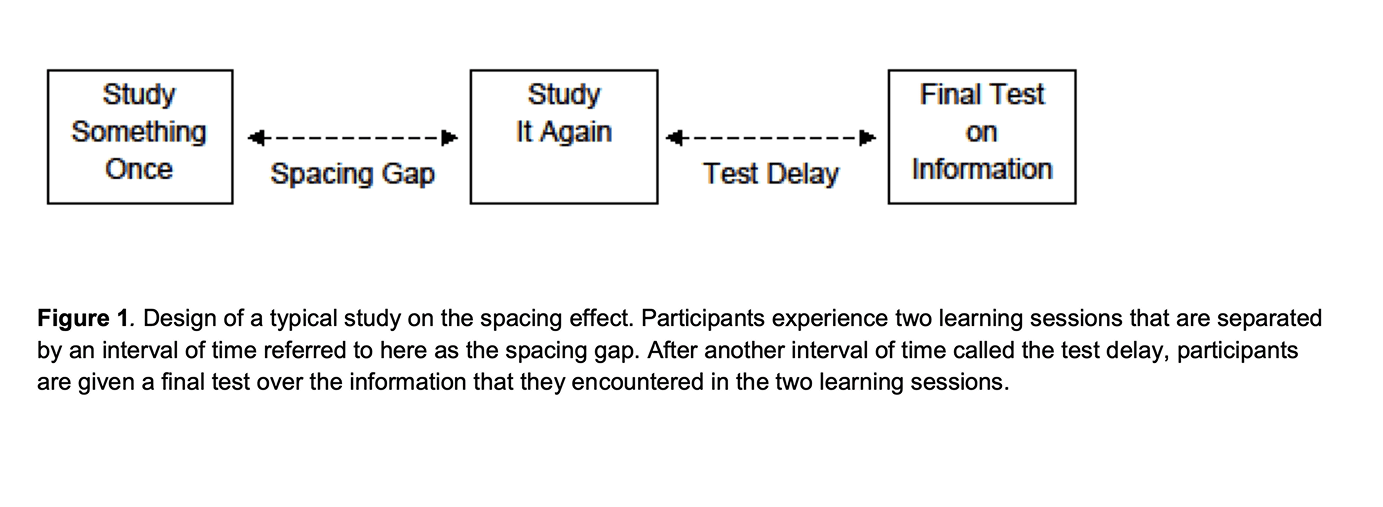
Five fundamental principles from learning science, gathered in the first round of source searching, before they are connected to interaction design.